Sistine Chapel

A chapel in the Apostolic Palace, the pope's official residence in Vatican City, built for Pope Sixtus IV between 1473 and 1481. Famous above all for Michelangelo's ceiling and Last Judgment frescoes, it remains the site of the papal conclave today.

Built Ceiling frescoes Modern use
1473-1481 Michelangelo, completed 1512 Papal conclave
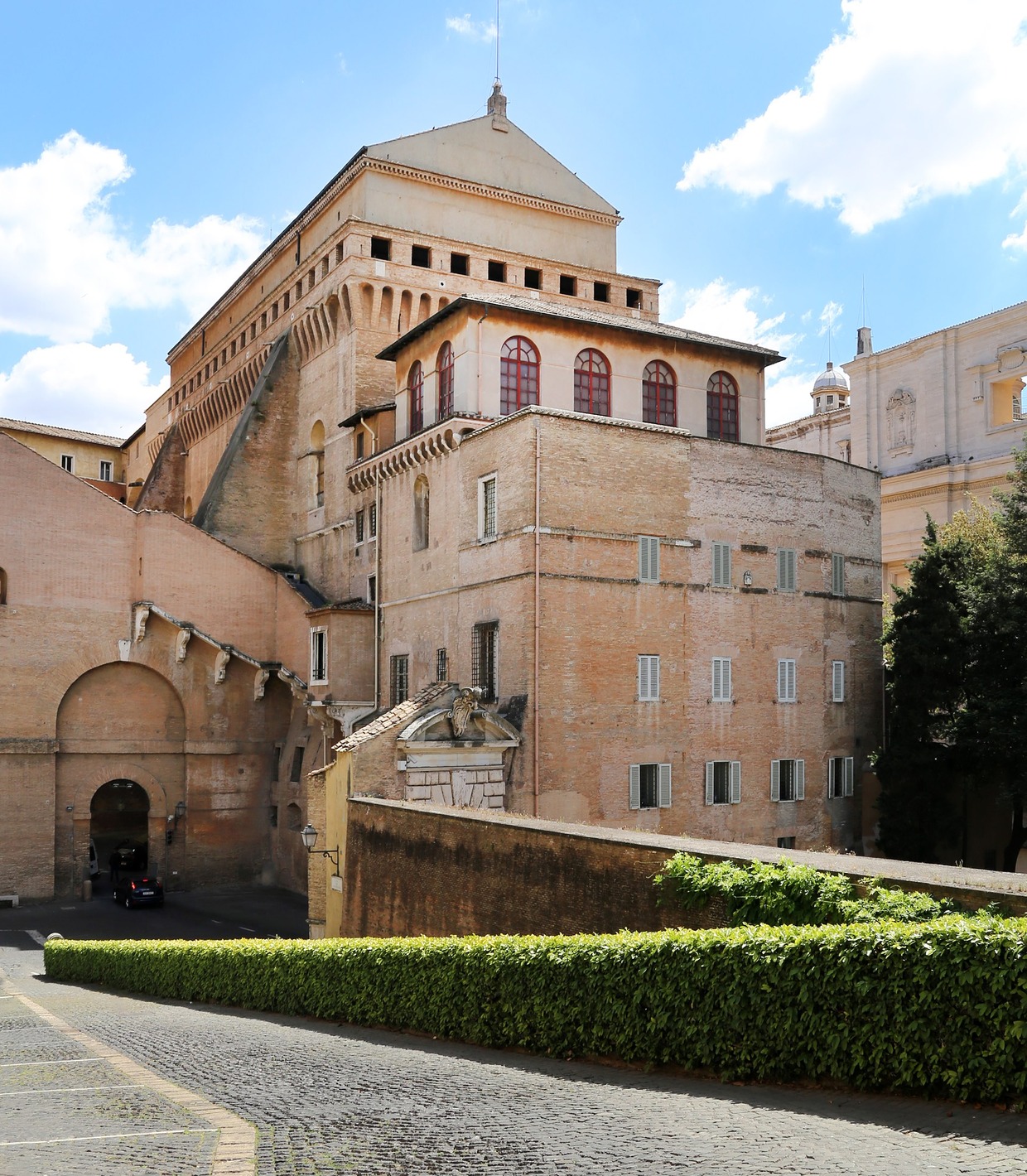
Exterior view of the Sistine Chapel within the Vatican

Highlights not to miss

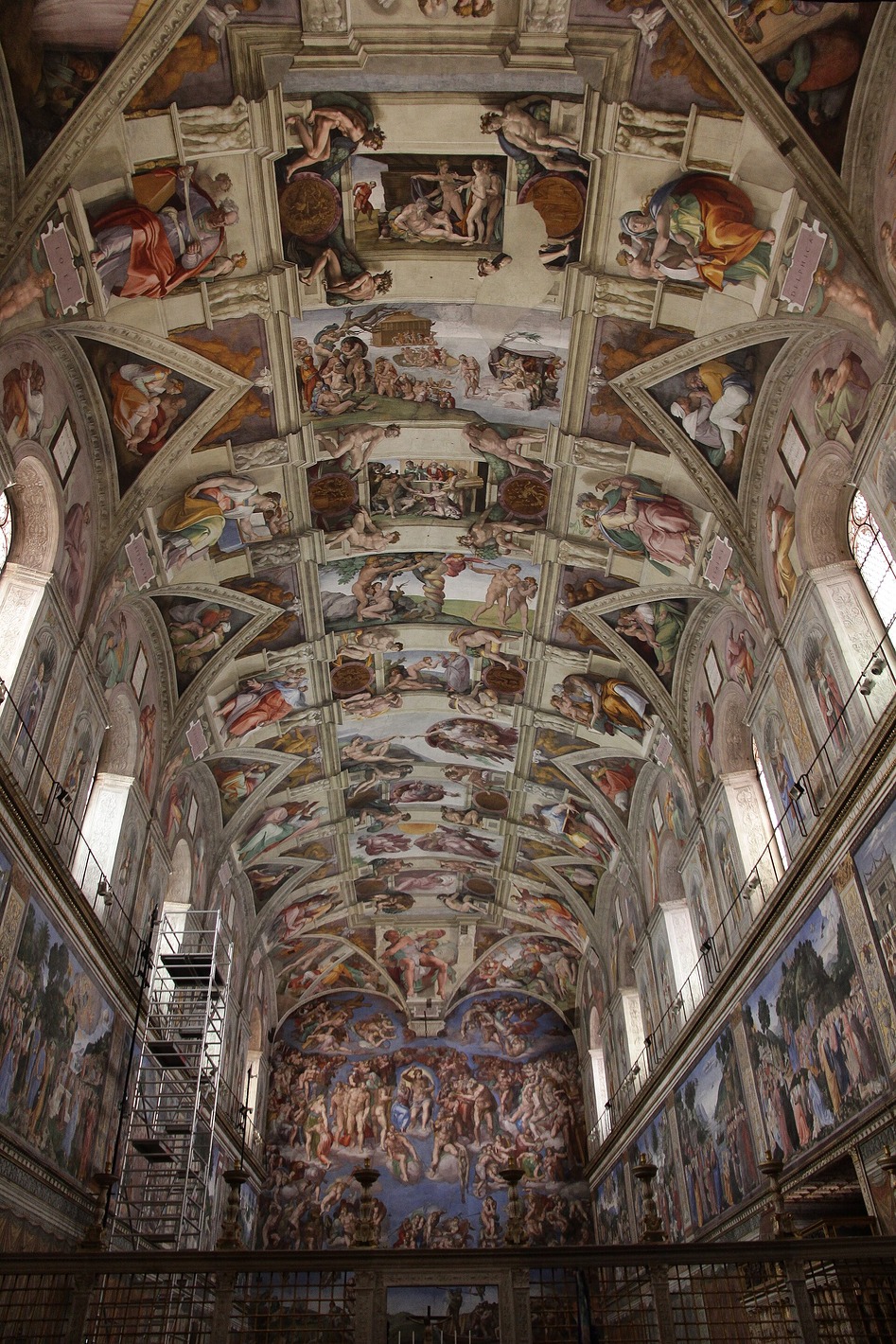
Michelangelo's painted ceiling in the Sistine Chapel

Michelangelo's ceiling

Painted between 1508 and 1512, the ceiling frescoes depict scenes from Genesis, including the famous Creation of Adam, and remain one of the most studied works in Western art.

The Sistine Chapel building within the Vatican gardens

The Last Judgment

Painted later by Michelangelo on the altar wall, this vast fresco depicts the second coming of Christ and the final judgment of souls.

Detail of the Sistine Chapel ceiling frescoes

Site of the papal conclave

Since the chapel's earliest years it has hosted the conclave, the closed-door process by which cardinals elect a new pope.

The Sistine Chapel is visited as part of the Vatican Museums route and can only be reached that way, not as a standalone ticket. Confirm current opening hours and tickets on the official Vatican Museums website.

Why visit Sistine Chapel

check

A landmark of Western art

Michelangelo's ceiling and Last Judgment are among the most famous and closely studied works of Renaissance art in the world.

check

Still an active papal site

The chapel remains the site of the conclave that elects a new pope, giving it an ongoing role beyond its history as a museum piece.

check

Part of a wider Vatican visit

Reached through the Vatican Museums, a visit naturally combines with the museums' other collections and, often, St Peter's Basilica.

Getting to Sistine Chapel

Vatican Museums, Vatican City
  • Inside the Apostolic Palace in Vatican City, accessed via the Vatican Museums entrance.
  • A short walk from St Peter's Basilica, though the two are reached through separate entrances.
  • The chapel is often the final stop on the Vatican Museums route, after a long sequence of galleries.
  • Confirm current opening hours, ticket prices, and any dress code requirements on the official Vatican Museums website before visiting.

FAQ

Can you buy a ticket just for the Sistine Chapel?

No. The chapel is visited as part of the Vatican Museums route and isn't sold as a separate, standalone ticket.

Who painted the Sistine Chapel ceiling?

Michelangelo painted the ceiling between 1508 and 1512, and later returned to paint The Last Judgment on the altar wall.

Is the Sistine Chapel still used for its original purpose?

Yes. It remains the site of the papal conclave, the process by which cardinals elect a new pope, as well as other papal ceremonies.

Is photography allowed in the Sistine Chapel?

Photography is generally restricted inside the chapel out of respect for the space and to preserve the frescoes. Confirm current rules on the official Vatican Museums website.

Michelangelo's masterpiece in the Apostolic Palace

The Sistine Chapel is a chapel in the Apostolic Palace, the pope's official residence in Vatican City. Originally known as the Cappella Magna ('Great Chapel'), it takes its name from Pope Sixtus IV, who had it built between 1473 and 1481. Since then it has served both religious and functionary papal purposes.

The chapel's fame rests mainly on its frescoes, above all the ceiling and The Last Judgment, both painted by Michelangelo. The ceiling, completed in 1512, depicts scenes from the Book of Genesis, including the Creation of Adam, one of the most reproduced images in art history.

Today the Sistine Chapel is best known as the site of the papal conclave, the secretive process by which the College of Cardinals elects a new pope, a role it has held since the practice began.

Frescoes painted by Michelangelo on the Sistine Chapel ceiling